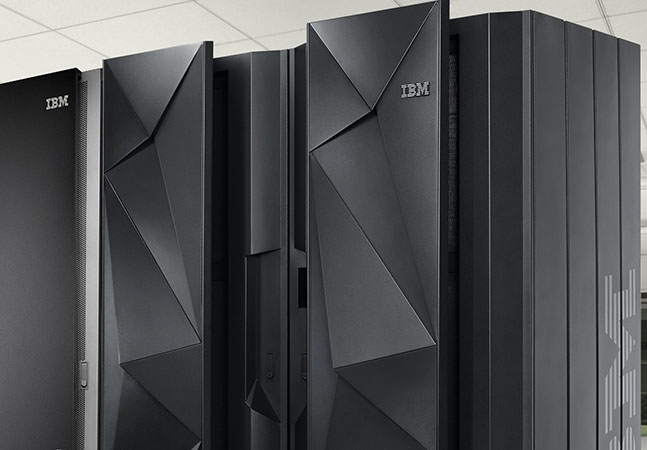
Mainframe specialist Compuware today released a tool addressing what it described as the manual, tedious process of accessing and understanding complex mainframe applications.

Syncsort open sourced a tool that connects data residing on IBM mainframes to Apache Spark for real-time Big Data analytics.

A new collaborative project from The Linux Foundation aims to foster Linux development on mainframe computers, while Big Iron vendor IBM is offering up new mainframe Linux servers to the open source community.

Enterprises seeking a cloud services provider might want to choose either Amazon Web Services or Microsoft Azure, according to a new report from Nasuni.

Microsoft released the Technical Preview 2 of Windows Server 2016, which features compute, networking and storage enhancements.
Omnipresent cloud computing now make up one-third of all enterprise spending on IT infrastructure, research firm IDC said in a new report.

Research company IDC said converged infrastructure platforms -- typically combining compute, storage and virtualization technologies -- are seeing a growth spurt.

Skyhigh Networks released a survey showing that Amazon Web Services leads the growing list of services designed to help enterprises move their operations to the cloud.
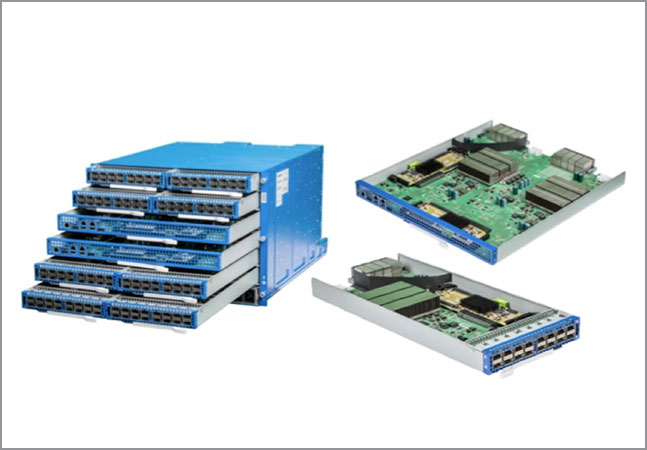
This week Facebook Inc. unveiled the "6 pack" -- a new "open hardware," modular network switch, which the company is calling the first of its kind.

GigaSpaces Technologies and RackWare each release 3.0 versions of their software for enterprises doing business in the cloud.

Big Switch Networks Inc. flagship product provides hyperscale networking technologies.

Companies emphasize bringing Big Data analytics to iPhone and iPad users.

Vendors scramble to help enterprises move their Big Data analytics to the cloud in an exploding market.

With a smaller piece of the market pie for everyone, consequences for Cisco are "particularly dire."

Complicated pricing, hidden costs and performance problems are main culprits.

Research shows VMware, Amazon AWS lead in private, public arenas.

Here is what you can do to boost both the performance and amount of storage available in your enterprise.

Hybrid Cloud solution and Elastic Cloud Storage Appliance announced.

The market is now seeing the results of innovations in storage technology.

Here's what you need to know when it comes to input/output operations per second in physical storage.