
A new report on the state of non-cryptocurrency blockchain development shows how developers and learners interact with 15 different platforms.

Microsoft recently announced the new .NET MAUI Community Toolkit v1.3 adds support for Gravatar, standing for "globally recognized avatar."

The latest Stack Overflow survey find a mixed take on Web3 technologies.

Blockchain is a complicated, hard-to-define technology with a lot of potential use cases, which are now easier to experiment with on the Amazon Web Services cloud.

Microsoft signaled an evolution of its signature message of "mobile-first, cloud-first," which is changing into a message of "an intelligent cloud and an intelligent edge," thanks partly to the company's growing confidence in its developer tools and services.

Docker announced its new Docker Enterprise Edition, a commercially supported offering of its namesake open source Docker container technology.

Microsoft will offer an on-premises-only deployment option for its Dynamics 365 for Operations ERP software for enterprises that don't want to store data in the cloud.

Security, digital transformations and continuous delivery figure prominently.

Mainframe computers may seem like ancient relics from the past in today's modern IT environment, but a new survey from BMC Software shows they're faring quite well in the age of always-on digital business.

Compuware announced a mainframe release automation solution designed to help enterprises follow continuous delivery best practices in IBM z/OS-based environments.

A brand-new survey shows enterprises are increasingly using open source Apache Kafka technology for real-time, streaming Big Data analytics.

Mainframe computing specialist Compuware announced the addition of better visualization capabilities to its ISPW source code management (SCM) and release automation offering.

Compuware Corp. today announced a multi-pronged initiative to converge mainframe applications into the enterprise mainstream, leveraging newer software development methodologies such as Agile and DevOps, along with the requisite modern tooling.
A research project has introduced a full integrated development environment for creating applications using SDN, a new-age technology approach that's disrupting the datacenter virtualization arena while still evolving itself, with varied philosophies, tools and even definitions of what it is, exactly.
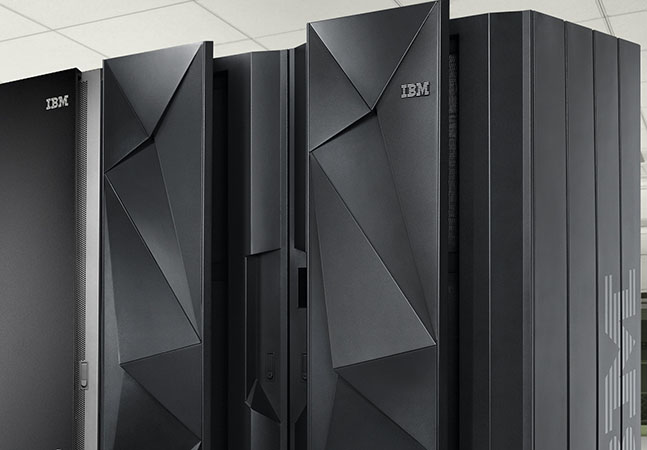
Mainframe specialist Compuware today released a tool addressing what it described as the manual, tedious process of accessing and understanding complex mainframe applications.

A new collaborative project from The Linux Foundation aims to foster Linux development on mainframe computers, while Big Iron vendor IBM is offering up new mainframe Linux servers to the open source community.
At DockerCon, Microsoft demoed a key milestone toward building apps that can run on multiple server OSes.

Richard Stallman, who developed the GNU OS and who advocates for an open software ecosystem, having founded the Free Software Foundation, claims major OSes from Microsoft, Apple and Google are merely paid malware.

VMware Inc. is building out its container technologies and datacenter cloud footprint with two new open source projects.